Not only territory and climate: the character and uniqueness of the DOC “Alghero” wines arise from a combination of geographical, climatic, cultural and social factors that have evolved over the centuries.
Recent archaeological research indicates that wine-making has been practised in Sardinia since the Nuragic period and that Vitis vinifera can be considered a native plant, which came to be cultivated as a result of agricultural practises introduced by the various peoples that inhabited the island, such as the Phoenicians, Carthaginians and Spaniards.
Vine cultivation also has ancient origins in the Alghero area: in the Nuragic village of Sant’Imbenia, in the Porto Conte Bay, there is evidence of the production of Phoenician-style wine amphorae made of local clay, a clear sign that both vines and wine were already present in the area in the Phoenician-Punic period.
The wine-growing and wine-making tradition of this area of Sardinia was later strongly influenced by Spanish rule, when trade led to the arrival in Alghero of varieties and craftspeople from the Iberian peninsula.
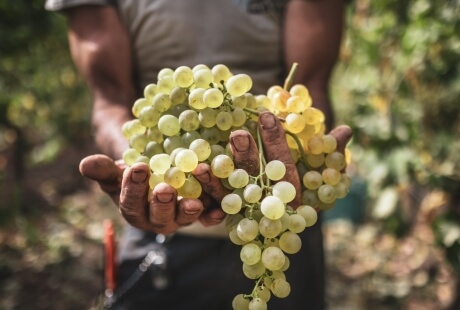
The wine-growing and wine-making heritage of the “Alghero” DOC area is of great interest precisely because of its ancient tradition. Just think of Torbato, which arrived on the island during the period of Catalan rule in the 14th century, or of the ancient Cagnulari grape variety – native to Sardinia but rediscovered and enhanced only in recent decades by producers that recognized its enormous potential.
Both these varieties are grown only within the boundaries of this appellation, this area being their exclusive terroir. This is due both to the favorable climatic and geological conditions but also, and above all, to the extensive know-how of the wineries that decided to invest in these vines.
The same is true of international grape varieties such as Cabernet, Sauvignon and Chardonnay, which, when grown in the “Alghero” DOC area and influenced by the sea and the wind, yield wines with very special and highly recognisable characteristics.
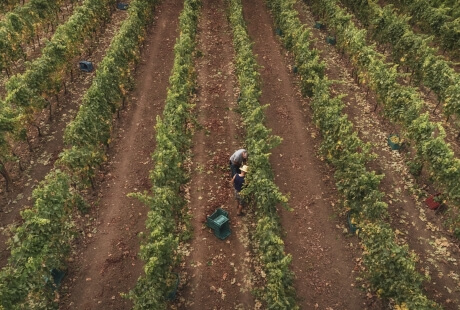
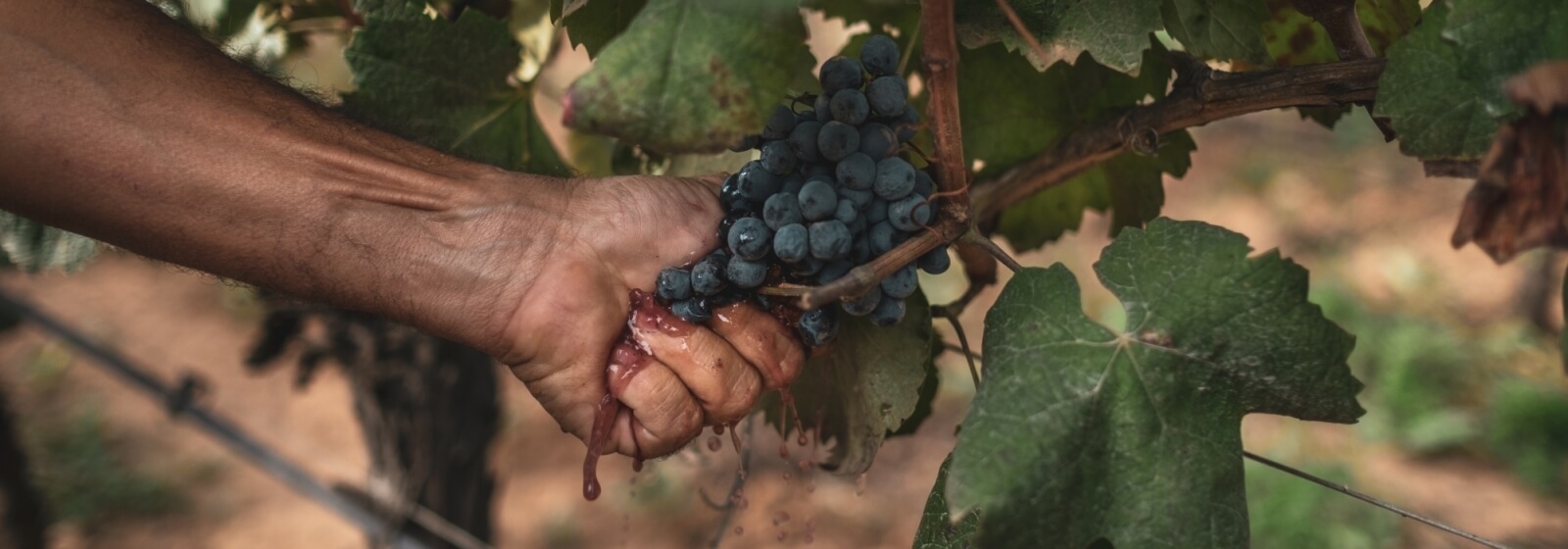
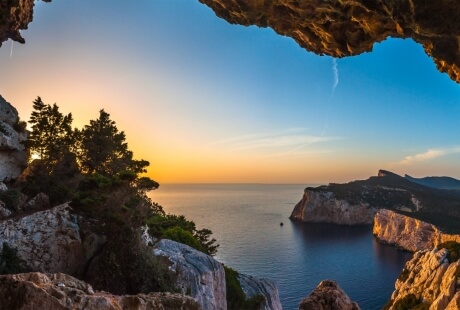
Alghero is currently the Sardinian municipality with the largest area under vines, totalling around 1,250 hectares (3,089 acres). The Mistral wind – often laden with salt that is then deposited on the vines – and the proximity of the sea give the grapes (and wines) distinctive hints of minerality and salinity. These characteristics are then enhanced by the work and experience of the winegrowers and winemakers who have been working with skill both in the vineyard and in the cellar for generations.
Modern wine-making technologies combined with strict quality control of the wines produced and compliance with the specifications, in-depth analyses and cutting-edge professionalism in the field of wine-growing, result in a product of absolute value whose excellence is now recognized around the world.
This is why tasting the wines produced in the “Alghero” DOC area takes you on a sensory journey that tells the story of a land surrounded by the sea and beaten by the wind, where the sun is generous for most of the year and cultivation, harvesting, production and maturation techniques are handed down from father to son to produce unique, quality wines.